
岡崎の事務所(studio36)
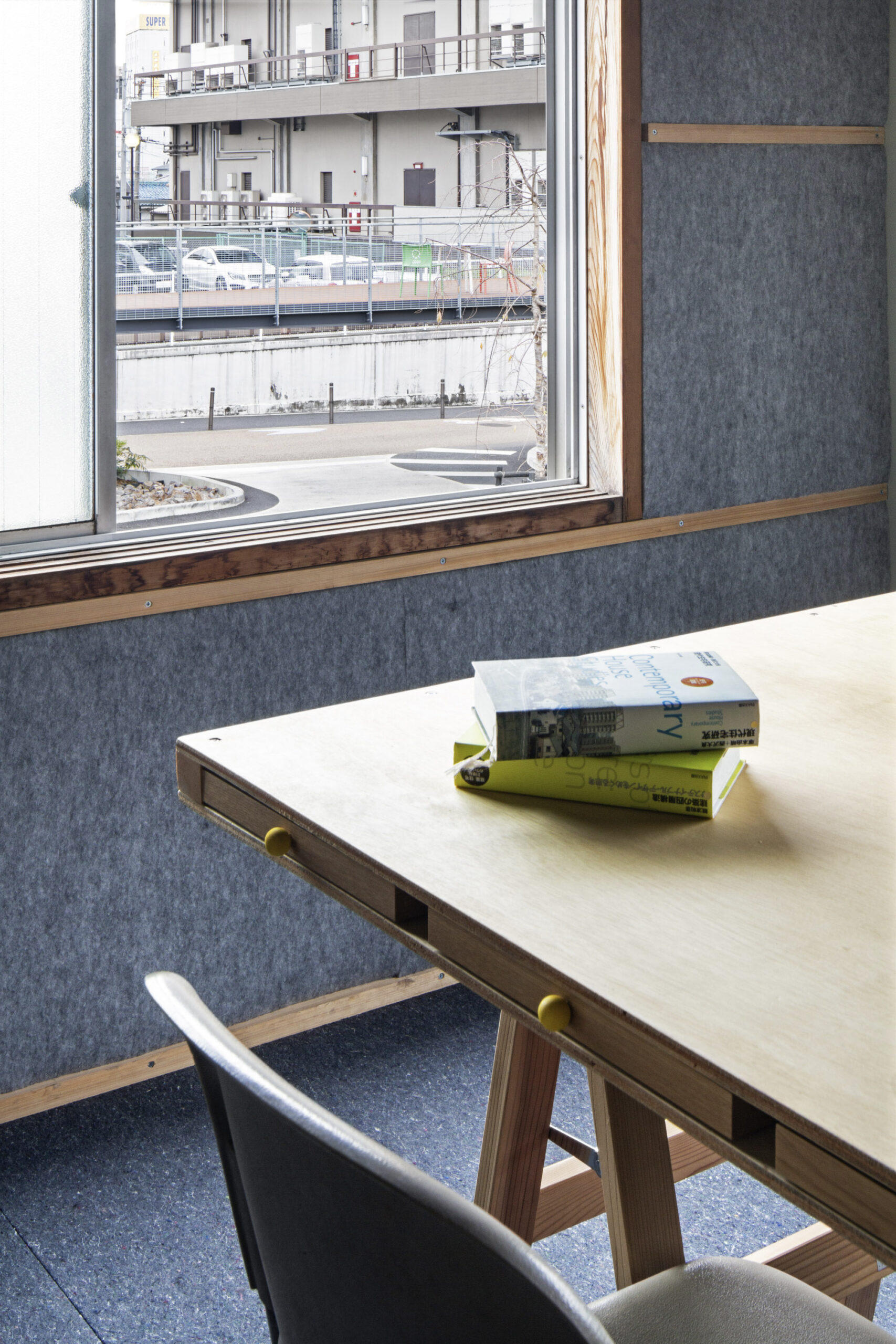

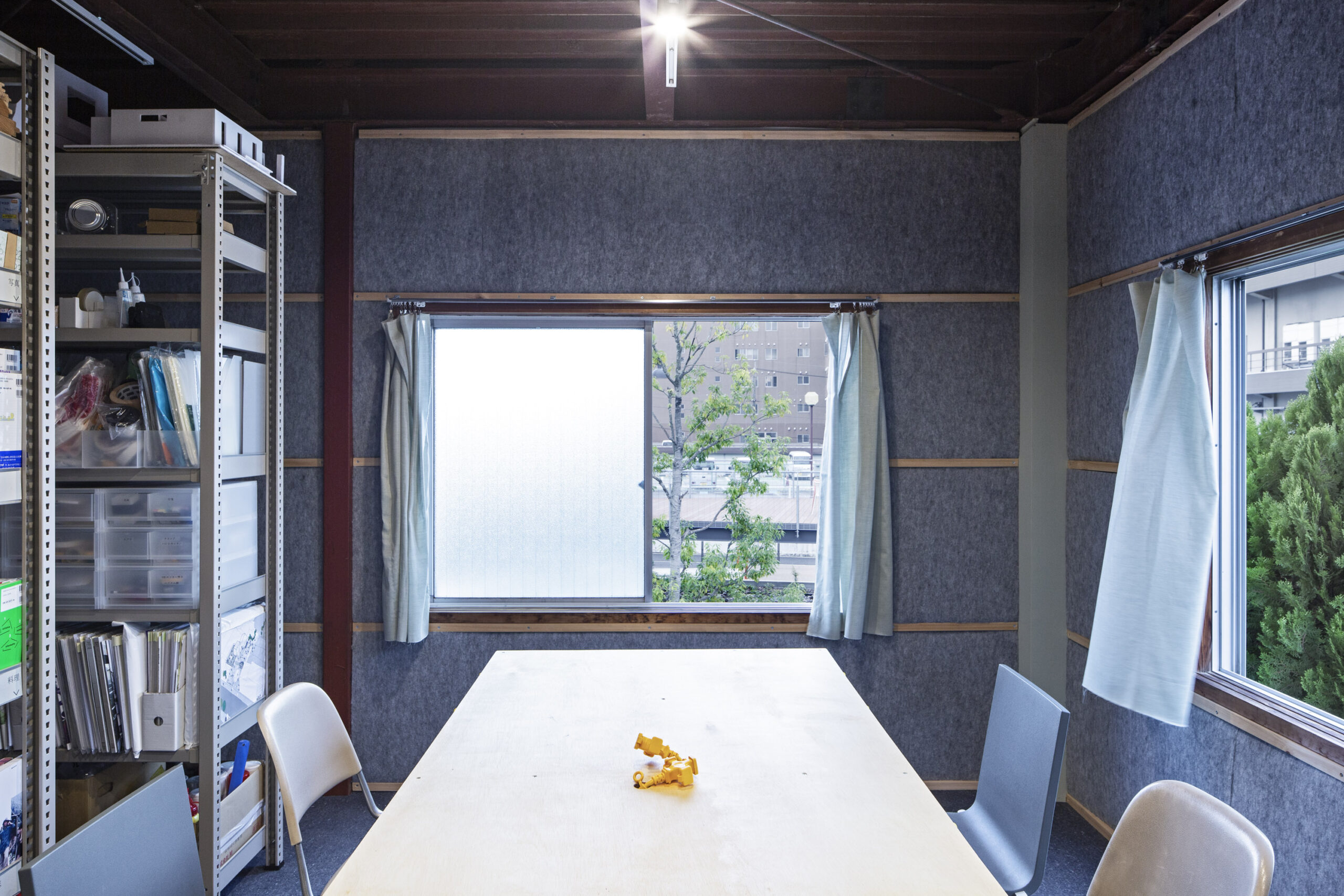
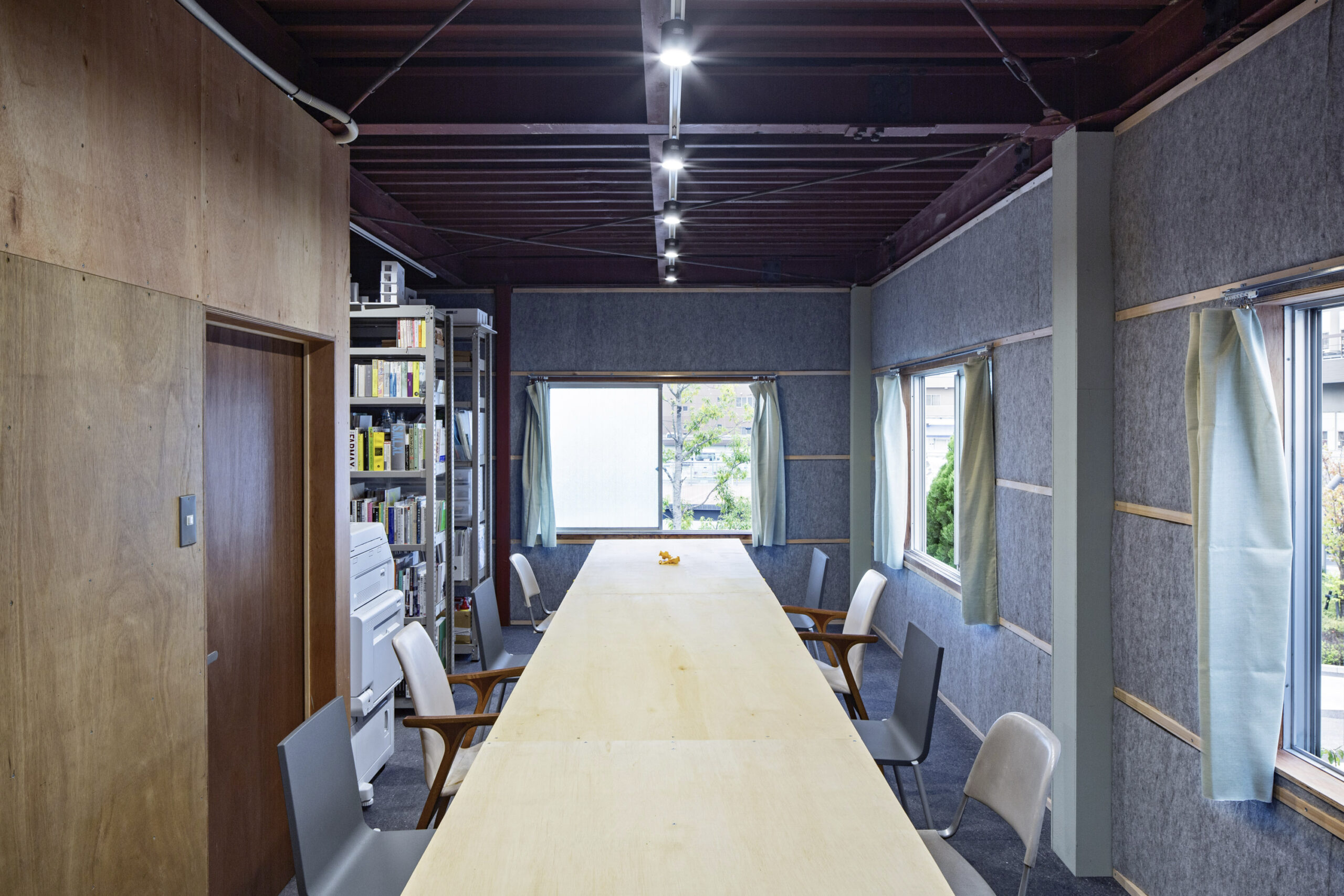
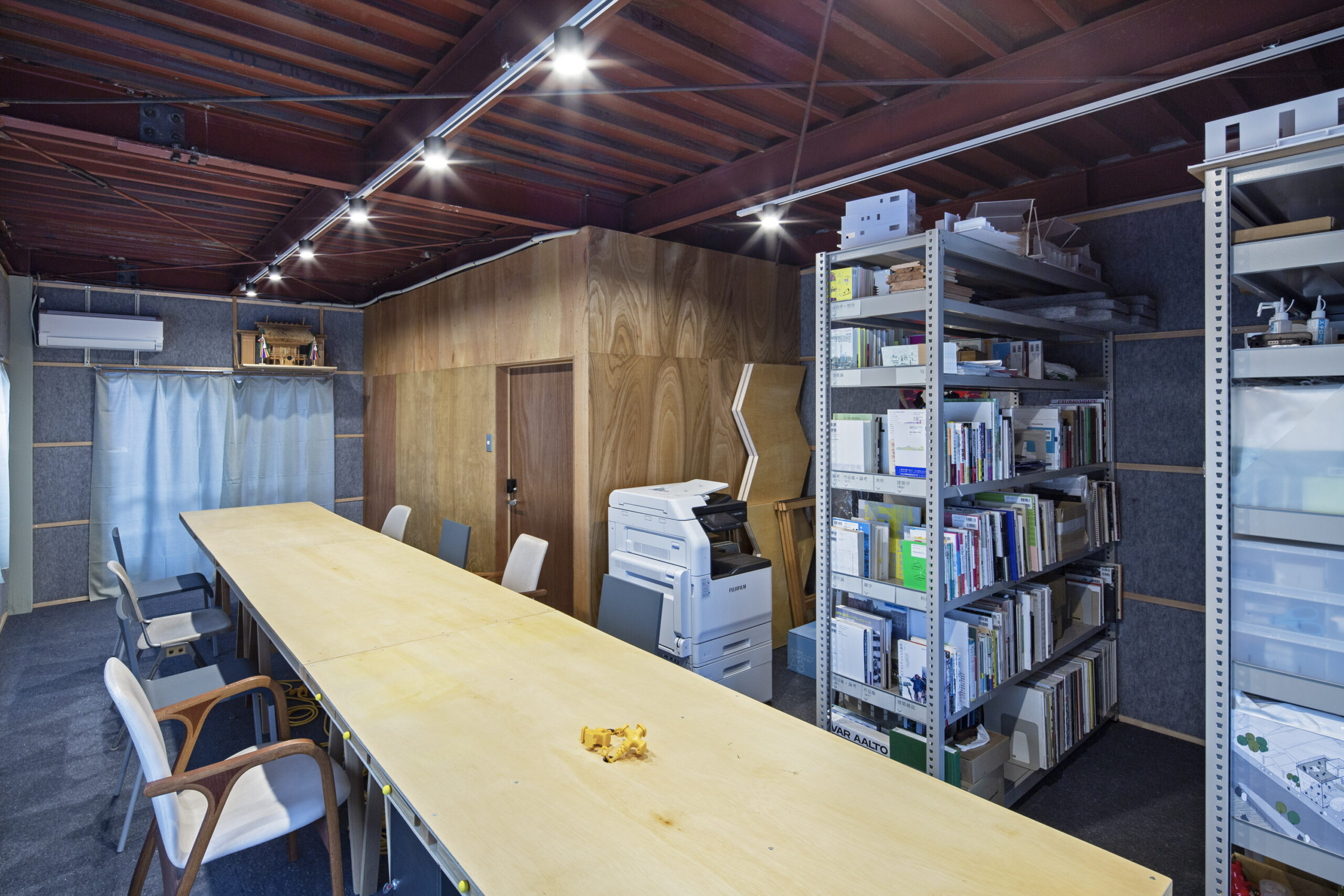
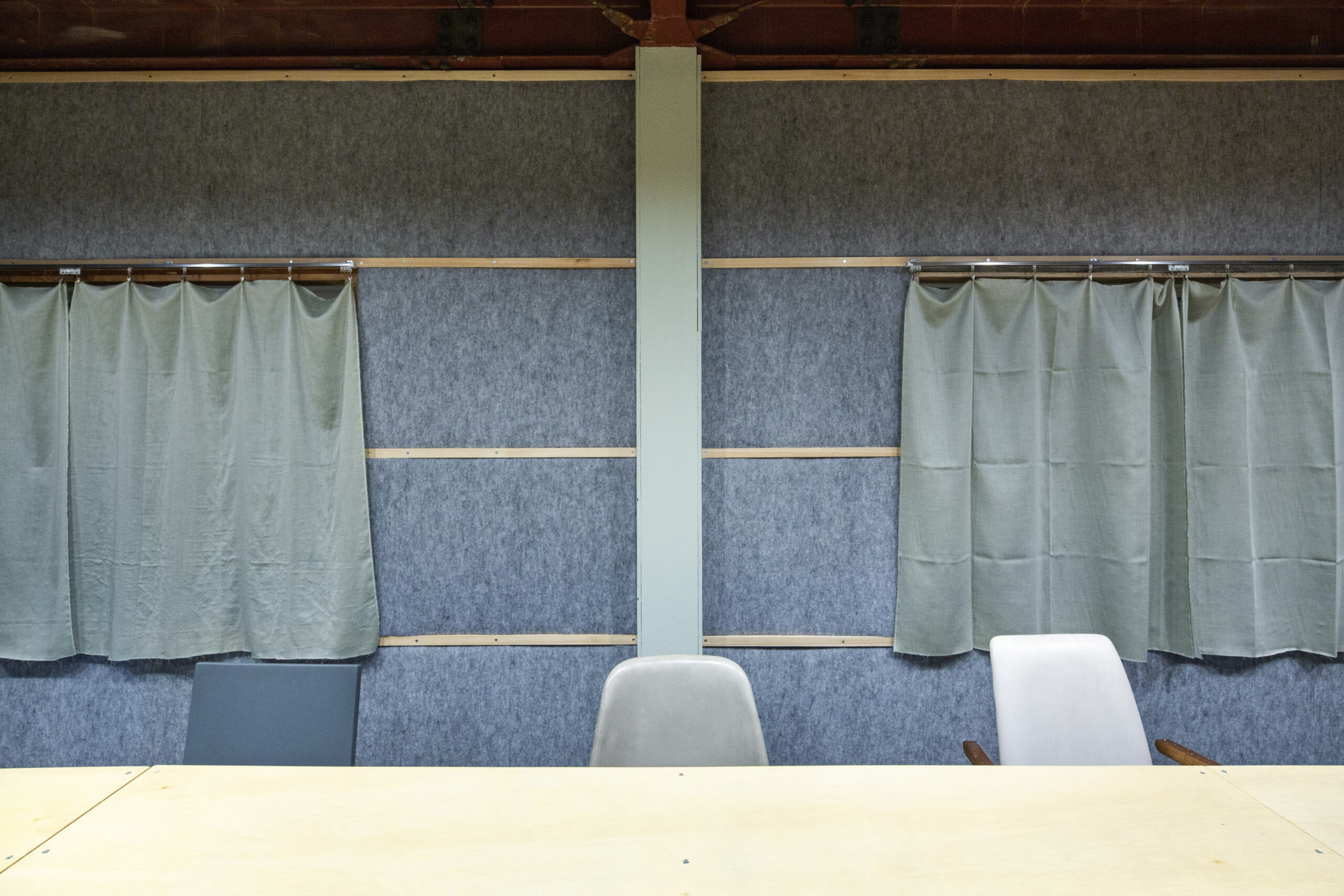
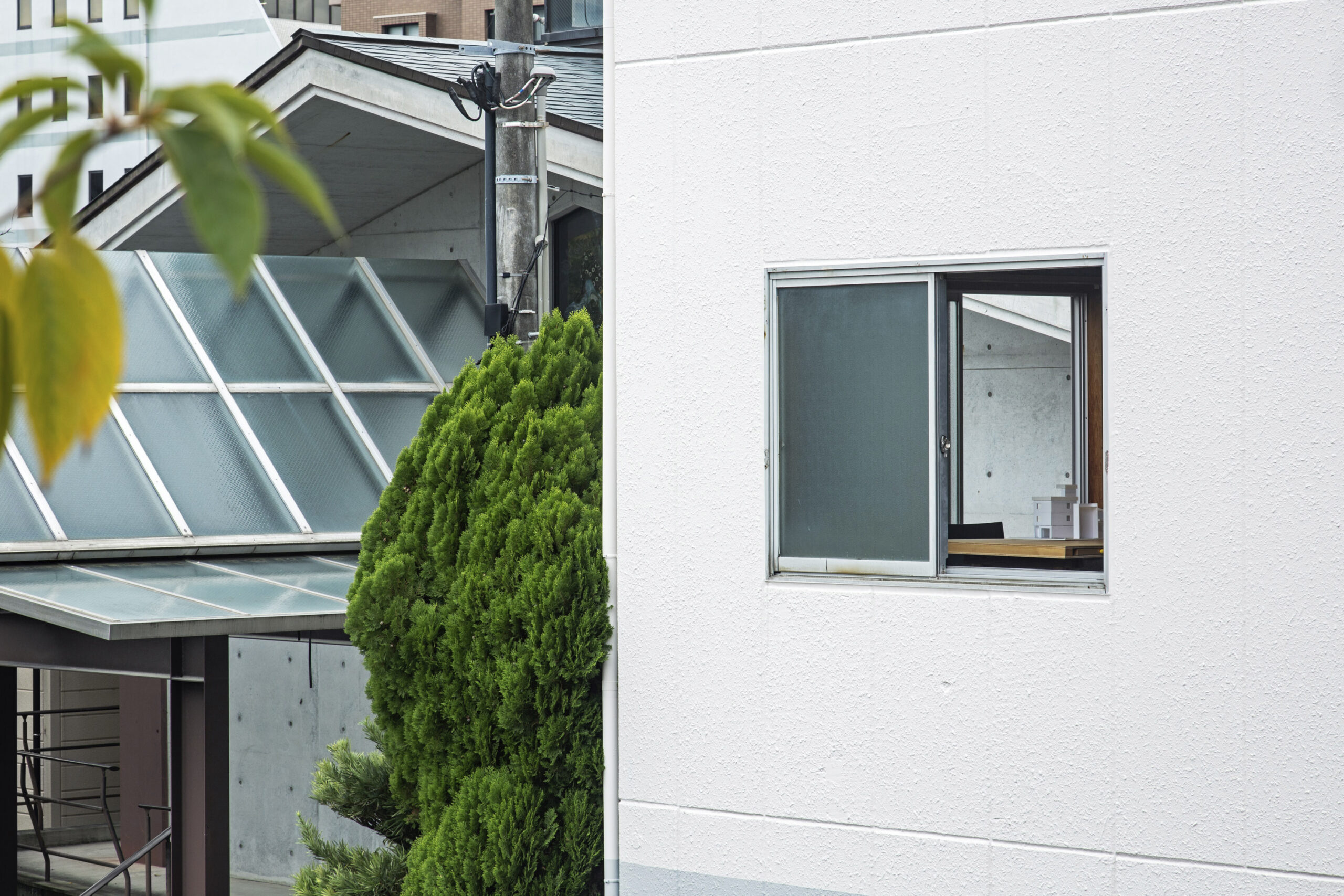
studio36と南康生家守舎の事務所。
床と壁は岡崎で製造されているフェルトで仕上げ、工業製品に対しても地産地消の視点を持ち、地域の素材と建材をつなぐための実験場としての機能も兼ねている。
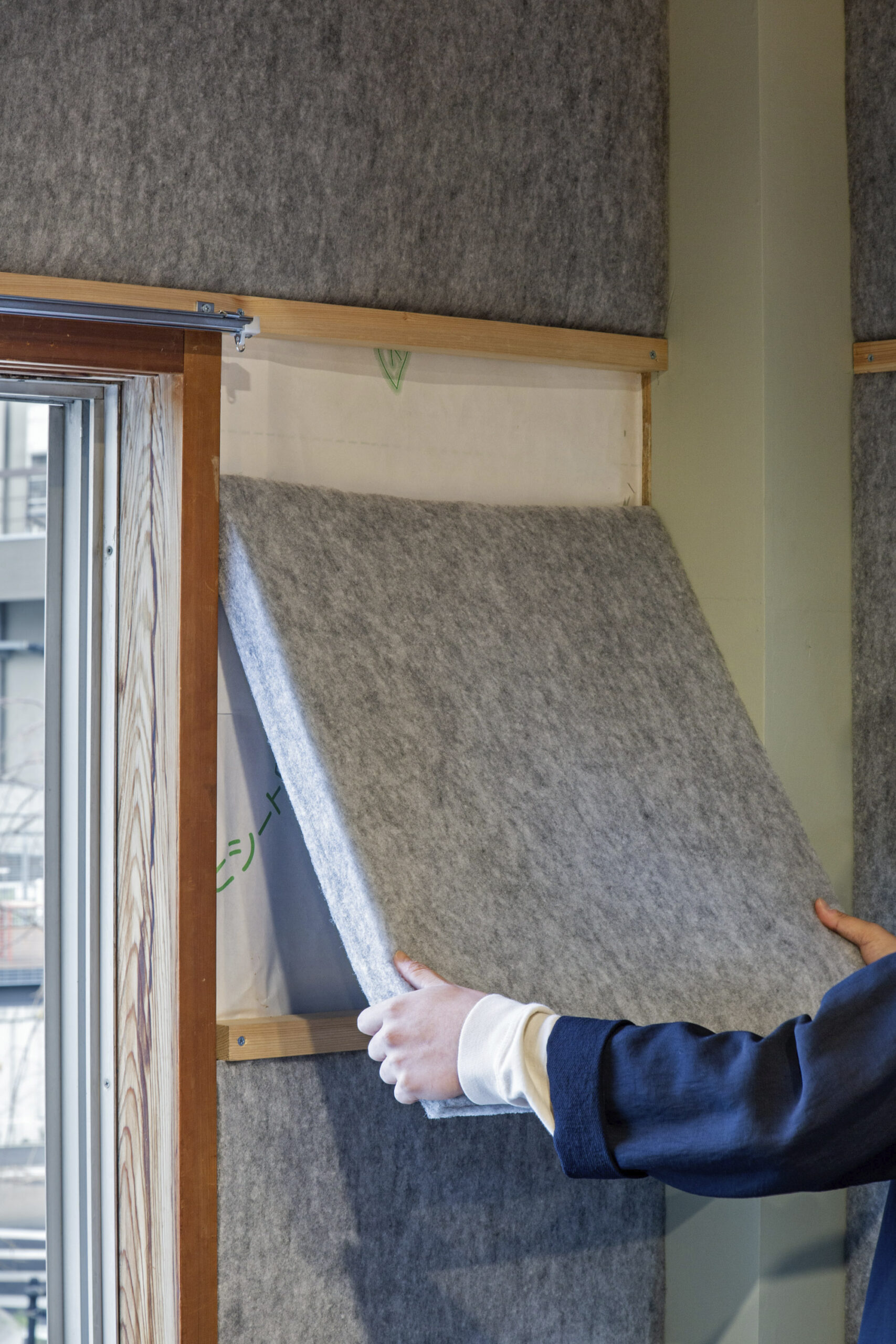
自分たちで解体した際、土壁や接着剤で固定された薄ベニアの解体でとにかく大変な思いをしたので、最初から”解体前提”の内装にしようと考え、全て乾式にしつつ解体した部材を分別可能な状態でとどめた。
具体的には、壁面は既存の木下地に横方向の木下地を開口高さを基準に四分割するように追加し、断熱と吸音を期待してフェルト(t=40mm)を木下地の間にそのまま押し込んで固定する仕上げとした。
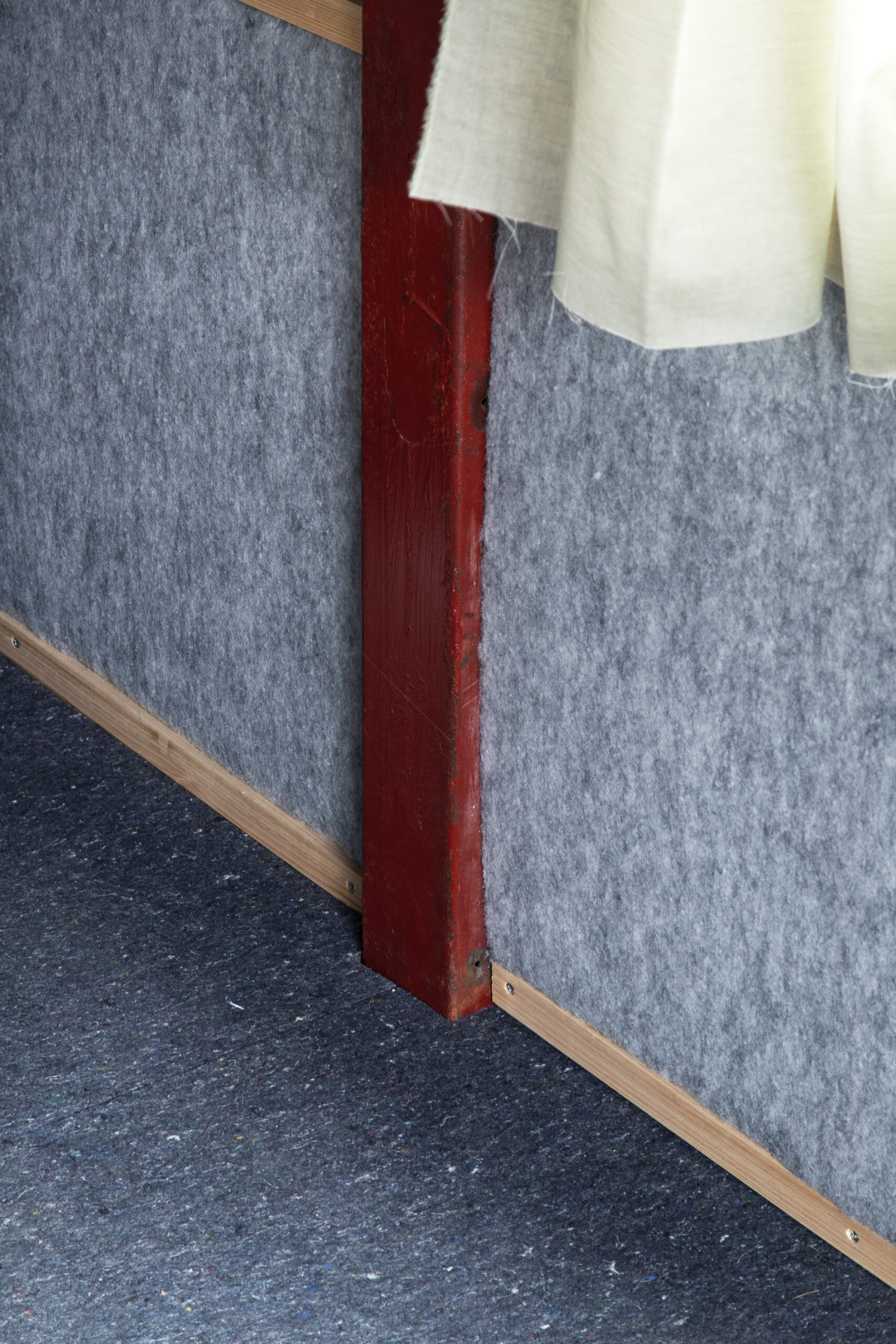
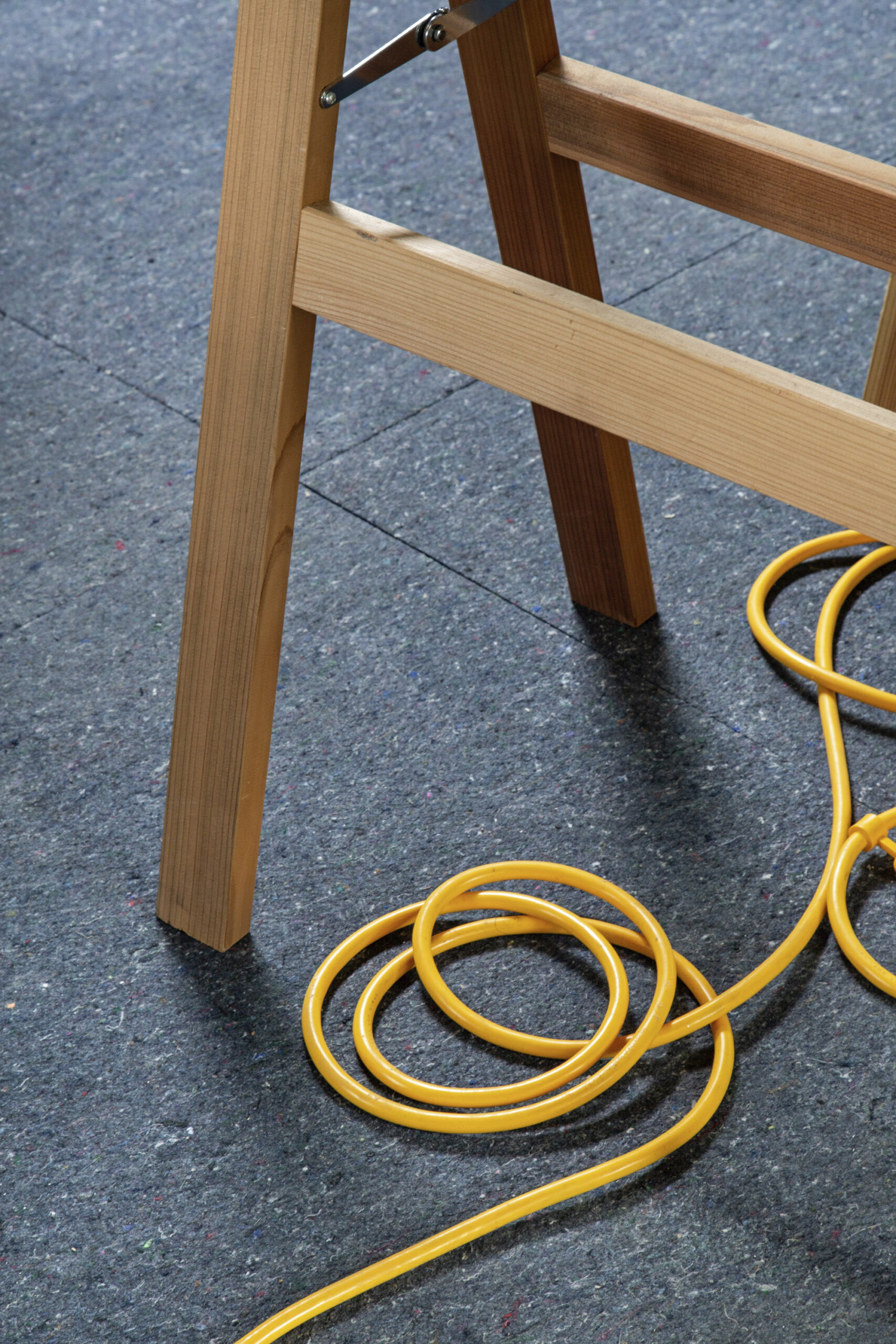
床は合板で水平面を確保した上で、900mm角の大判のフェルト(t=3mm)の表面をクリア塗装で強固にしつつ、両面テープで固定した。汚れたり摩耗してきたらそこだけカッターでカットして、パッチワークのようにメンテナンスできる納まりとなっている。
壁と床に用いたフェルトは、岡崎の中山間地域で製造されているものを用いている。製造されるフェルトの大部分は車の遮音材やシート下地など”見えない部分”に用いられることが主なのだが、フェルトのランダムな模様に魅せられ、そのまま仕上げ材として用いたいと考えた。
木や石など自然素材の地産地消に加えて、フェルトなど工業製品に対しても地産地消の視点を持って、今後のプロジェクトでも積極的に用いたいと考えている。
The offices of studio36 and Minami Kousei Yamorisya.
The floors and walls are finished with felt manufactured in Okazaki.
By adopting a “locally produced, locally consumed” approach even toward industrial products, the space also serves as a testing ground for connecting local materials with building materials.
When we dismantled the space ourselves, we had a really hard time removing the earthen walls and thin plywood fixed with adhesive.
So, we decided from the start to design the interior with “dismantling in mind,” using all-dry construction methods and ensuring that dismantled components could be sorted for recycling.
Specifically, for the walls, we added horizontal wooden studs to the existing wooden framework, dividing the space into four sections based on the height of the openings.
We then finished the walls by pressing felt (t=40mm) directly between the studs and securing it in place, aiming for both insulation and sound absorption.
For the floor, we first ensured a level surface with plywood. We then applied a clear coat to the surface of large 900mm square felt panels (t=3mm) to reinforce them, securing them with double-sided tape. The design allows for maintenance in a patchwork-like manner: if a section becomes dirty or worn, it can be cut out with a utility knife and replaced.
The felt used on the walls and floors is manufactured in the mountainous regions of Okazaki.
While most of the felt produced there is typically used for “invisible parts” such as automotive sound insulation or seat backing, we were captivated by the random patterns of the felt and decided to use it as a finish material as is.
In addition to locally sourcing natural materials like wood and stone, I intend to adopt a “locally sourced, locally used” approach to industrial products such as felt as well, and plan to actively incorporate them into future projects.
岡崎の事務所(studio36)
- 設計
studio36
- 施工
小原木材(一部施主DIY)
- フェルト
青山株式会社
- テキスタイル
ペウラ生地店
- 写真
Asuto Noda