
岡崎のパン屋(NONOJI)
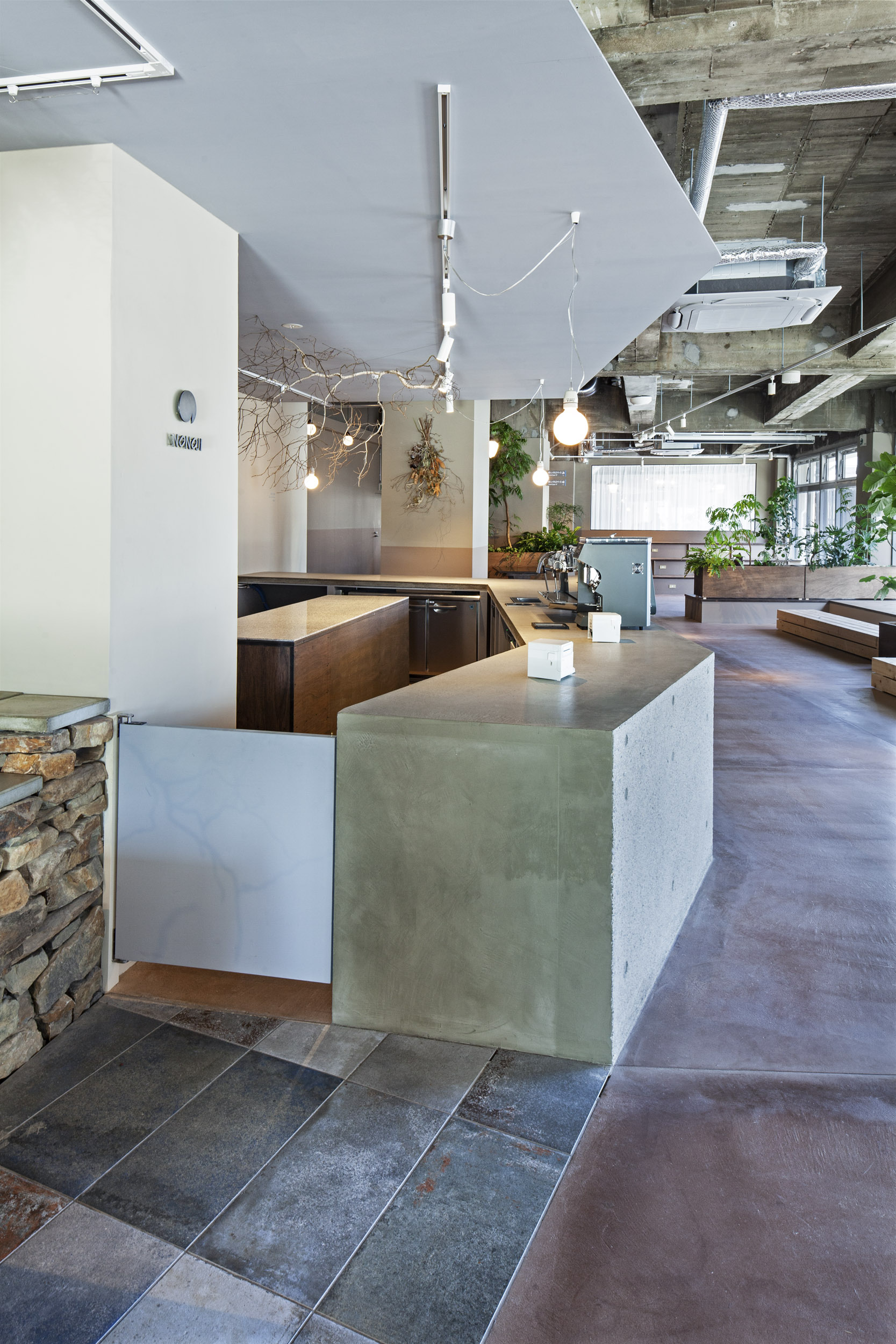
愛知県岡崎市に設計した複合施設『NEKKO OKAZAKI』の中にある、ベーカリーカフェの計画。
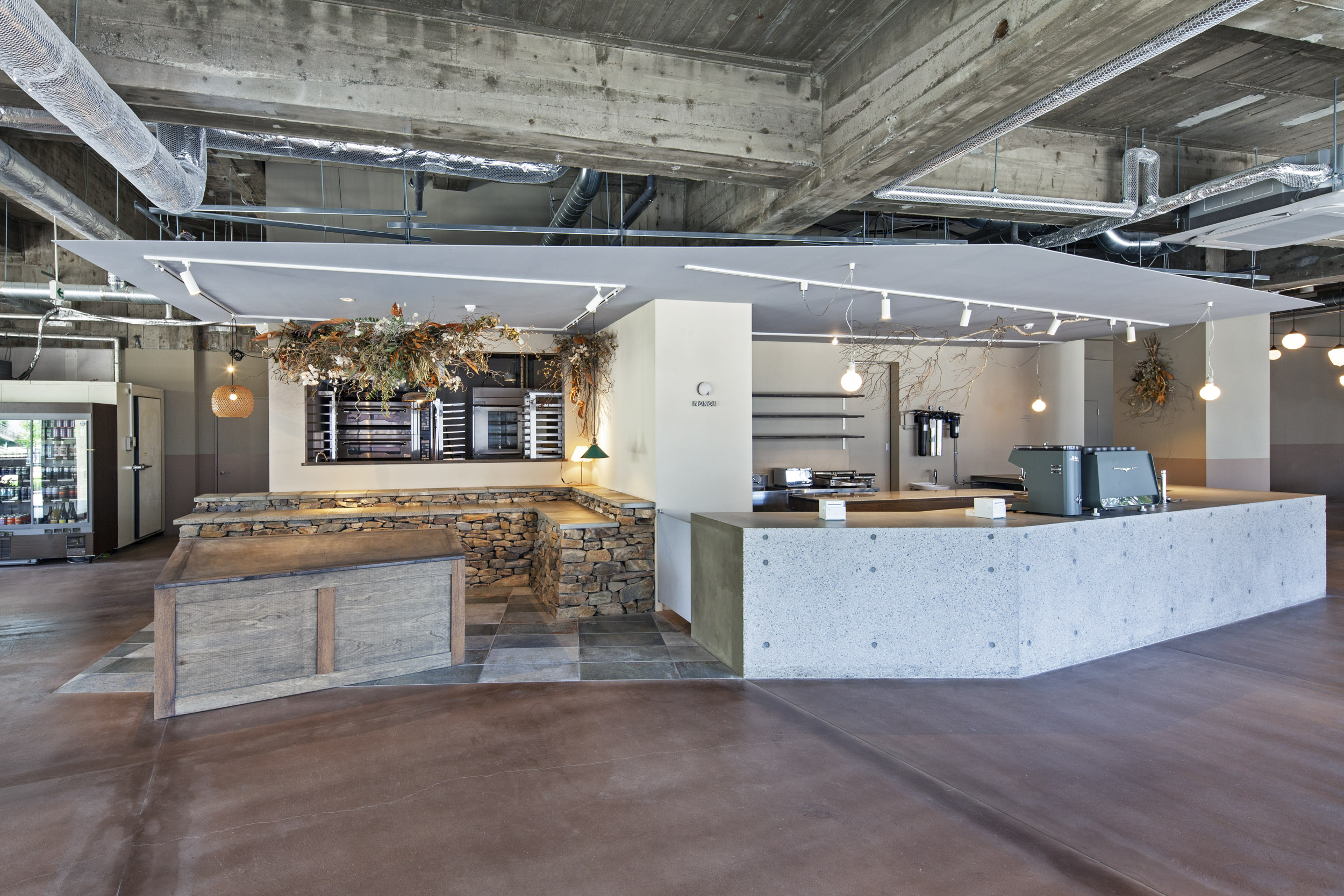
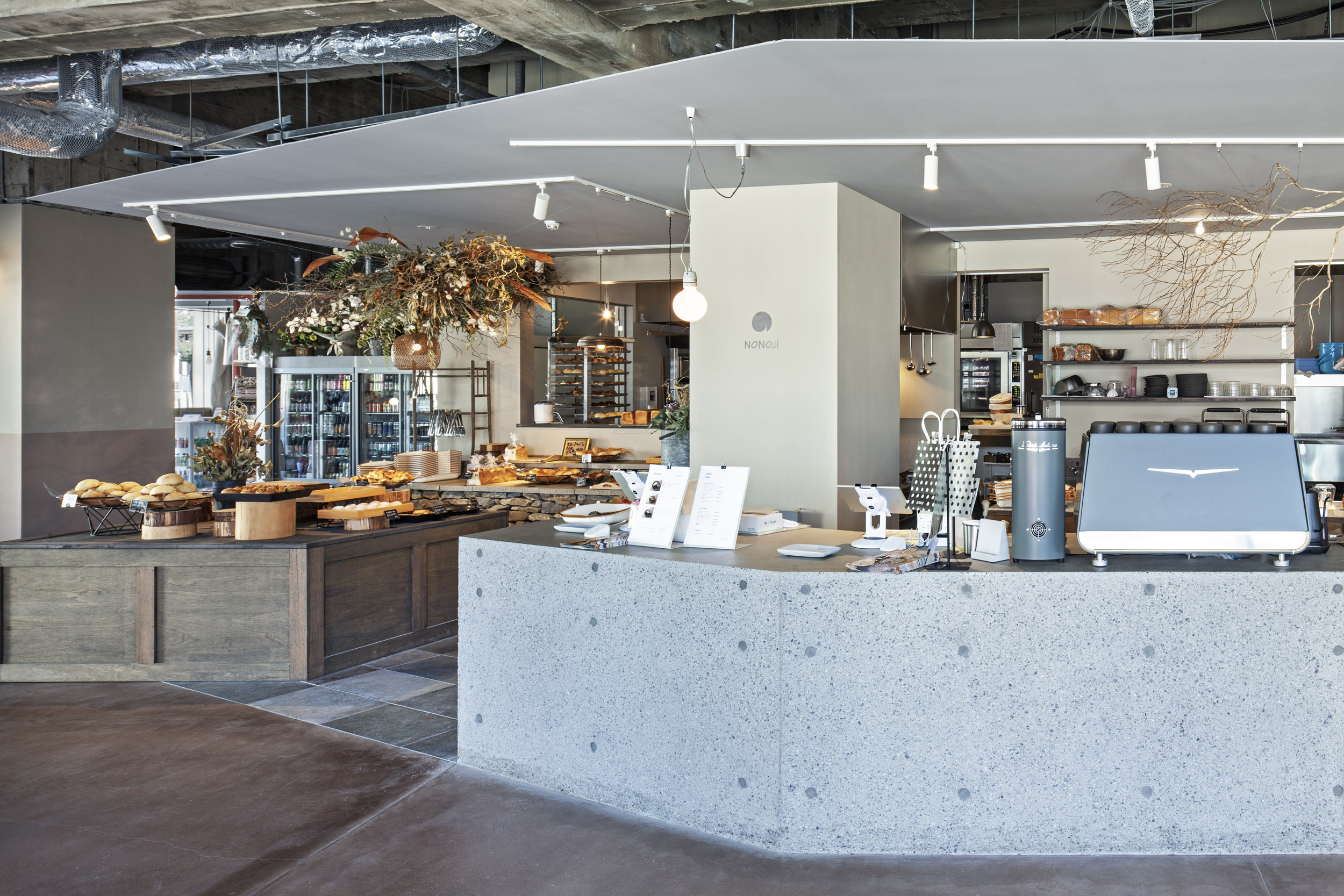
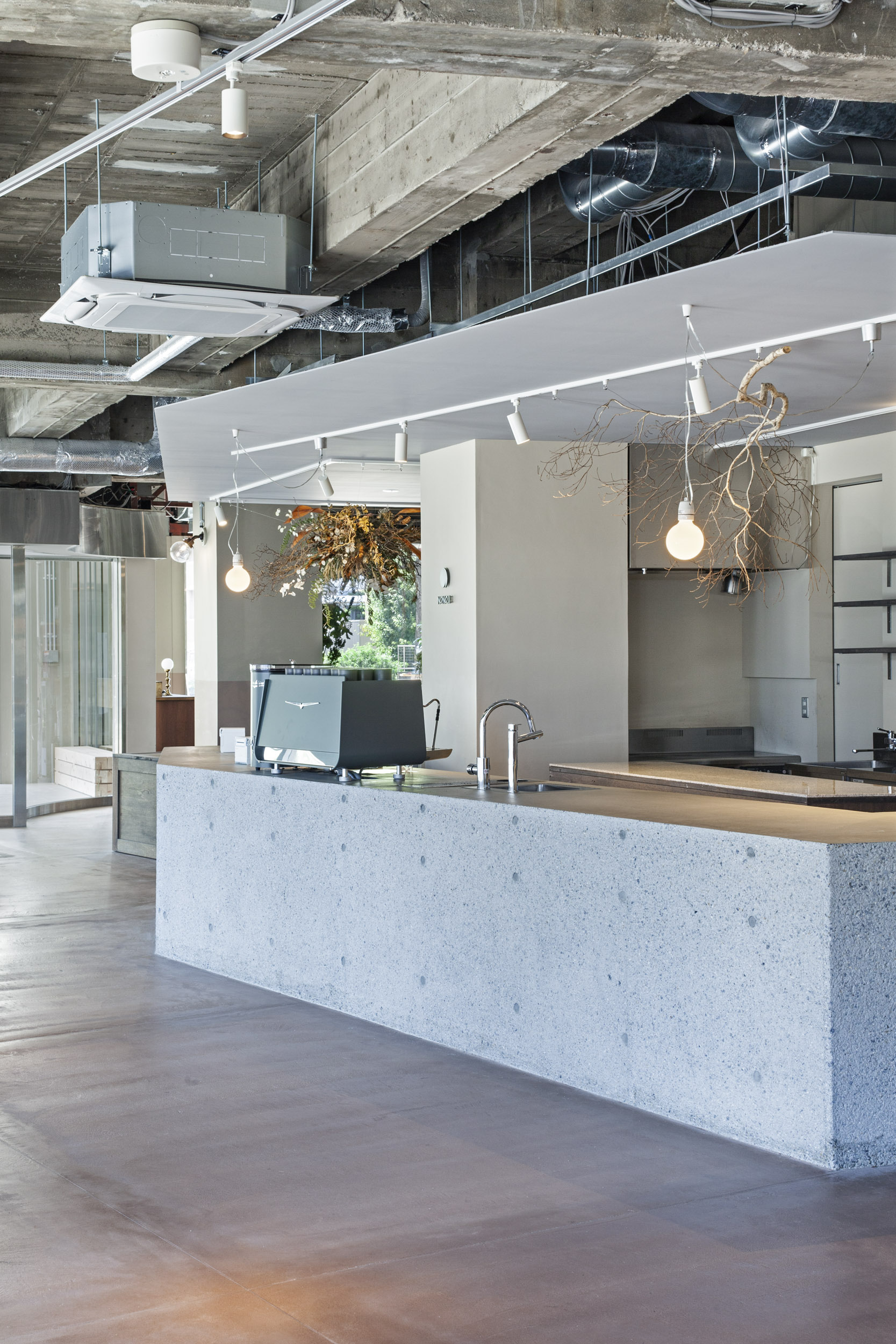
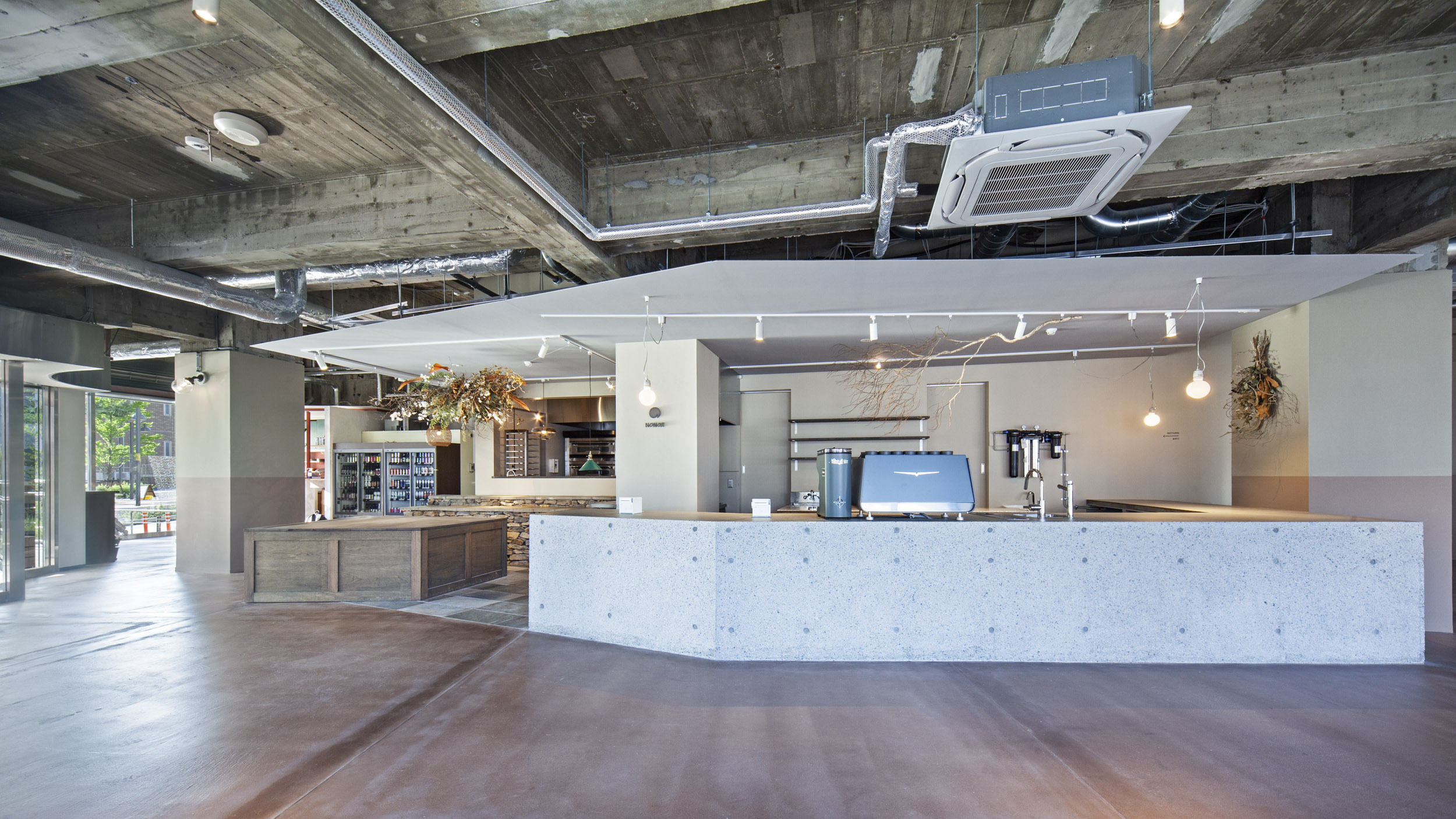
施設の入り口付近にあるベーカリー売り場に人を招き入れつつ、施設の奥にあるレンタルスペースや工作教室にも人を誘う必要があったため、カフェのカウンターは施設内に用いられている角度(=緑道のデザインに引用されている旧東海道の軸)と水平反転した角度の2つを同時に用いることにした。
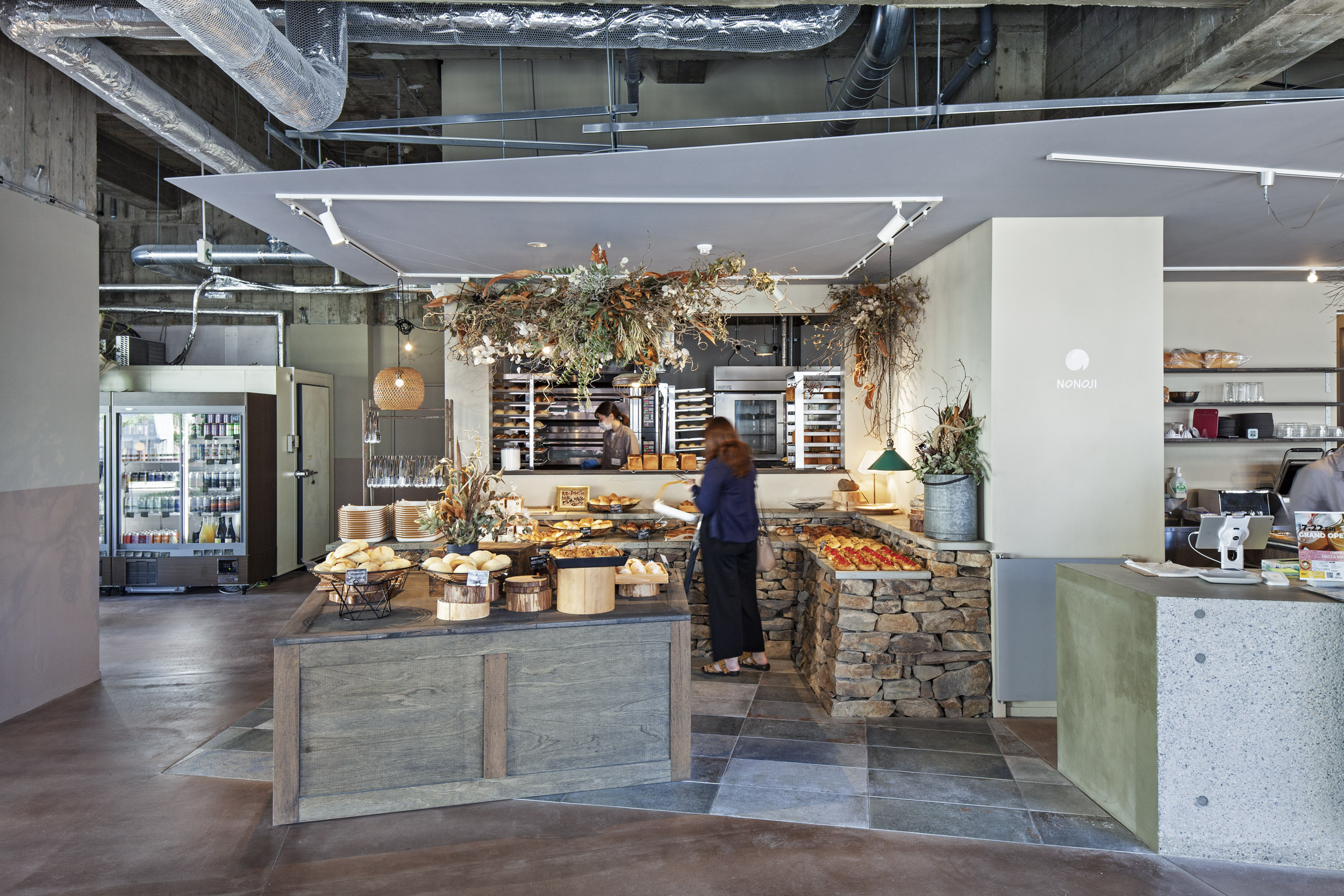
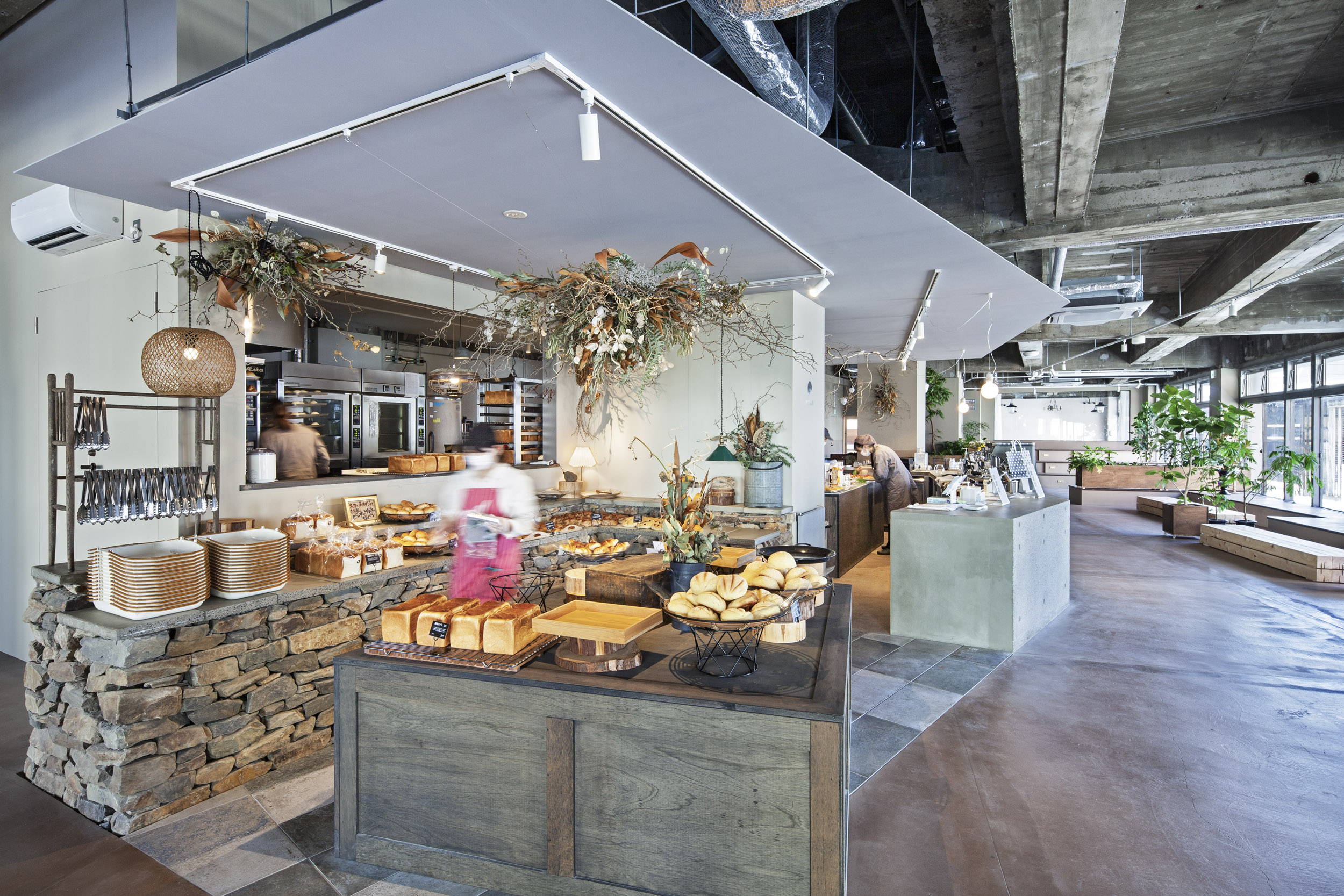
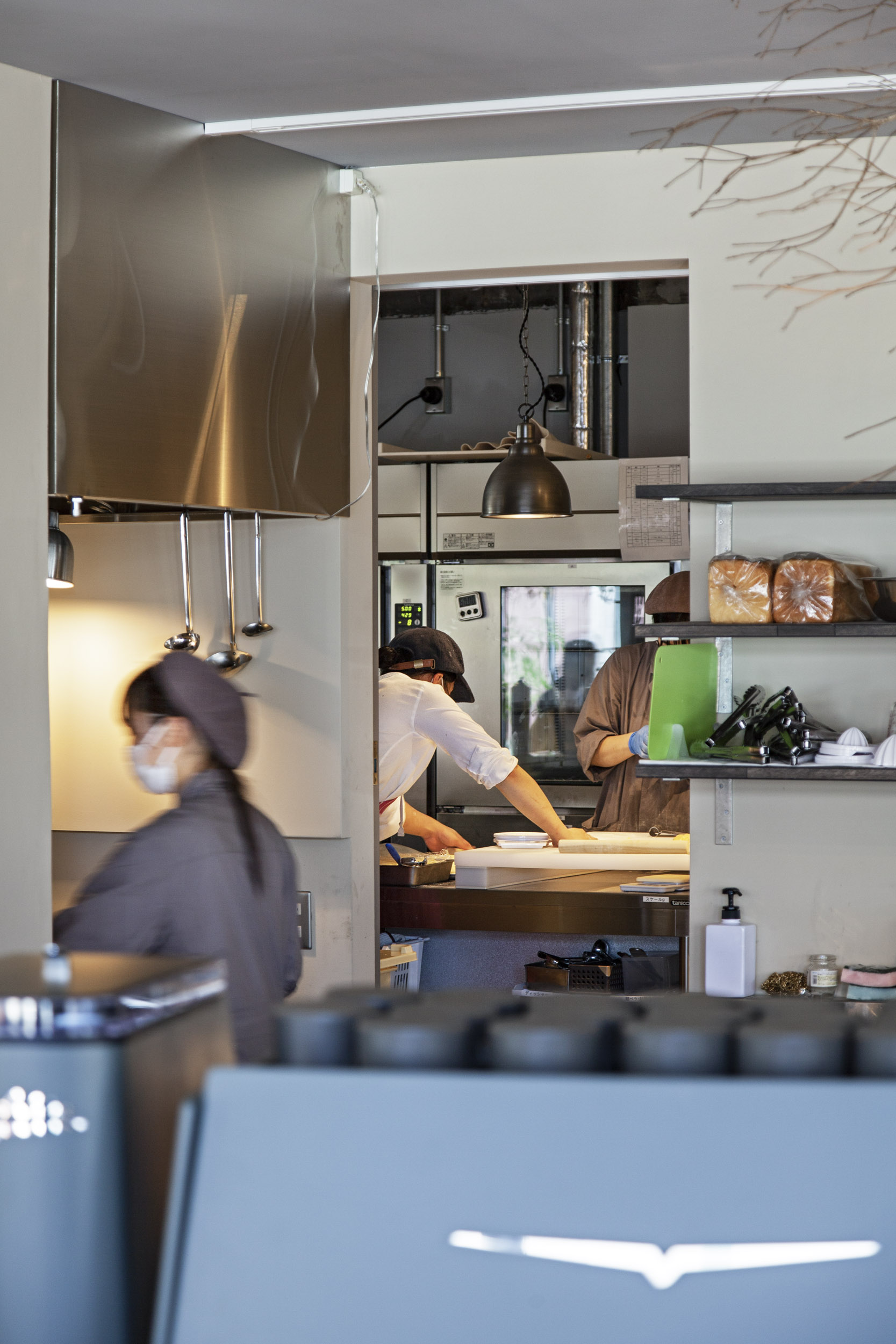
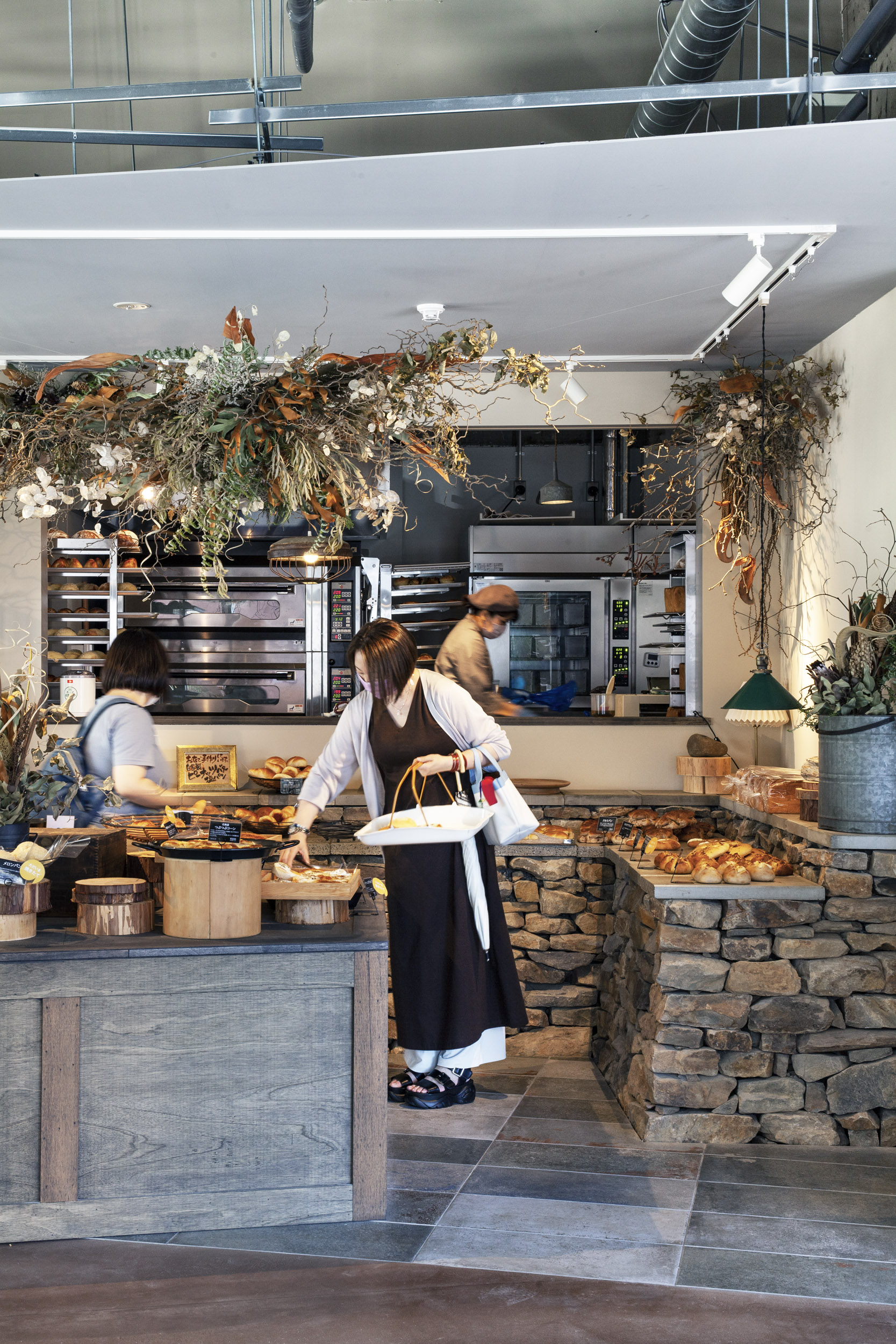
店舗面積の約6割を占める厨房は、売り場から製造風景が見える計画にすることで、食のライブ感を施設内に溢れさせることを考えた。
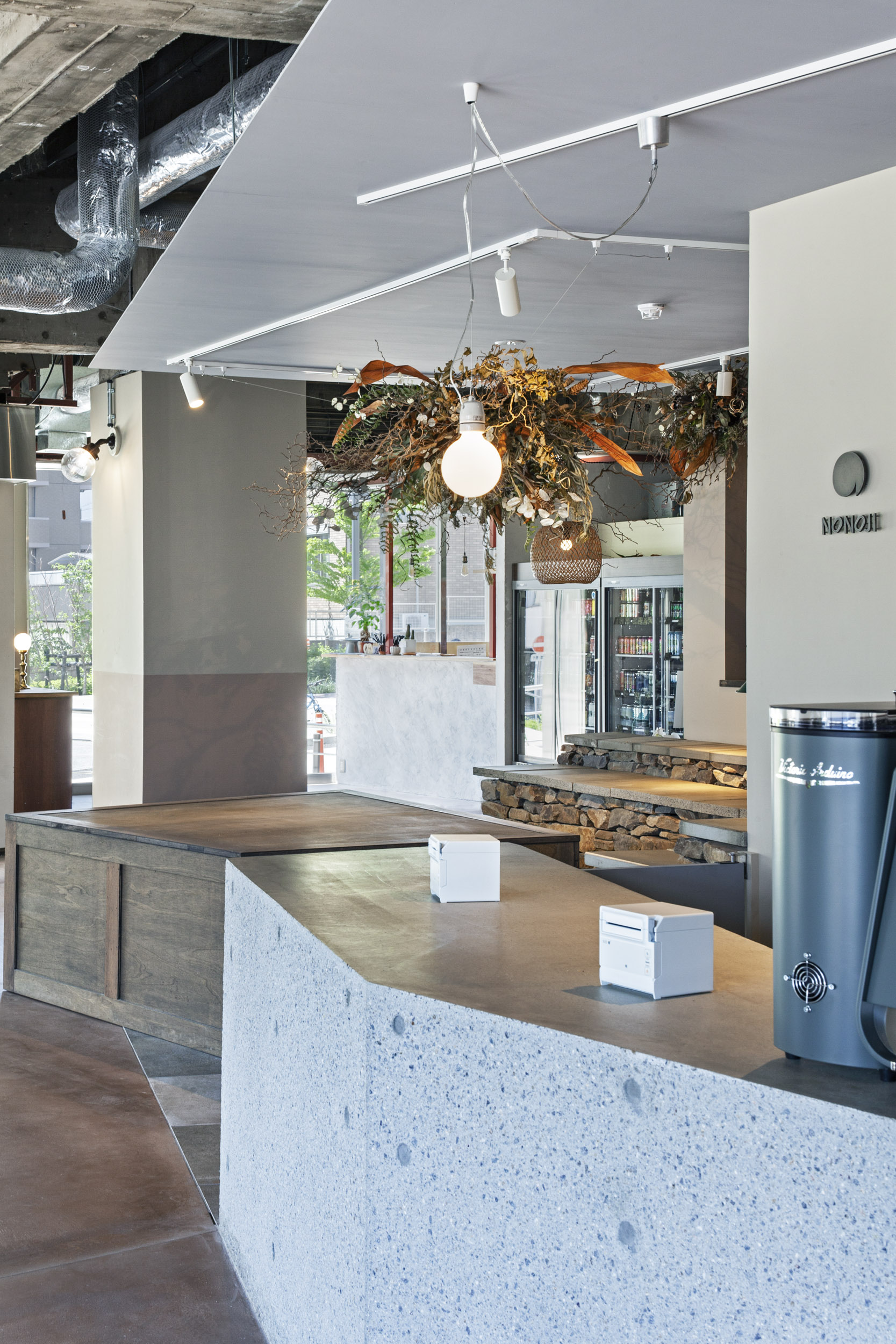
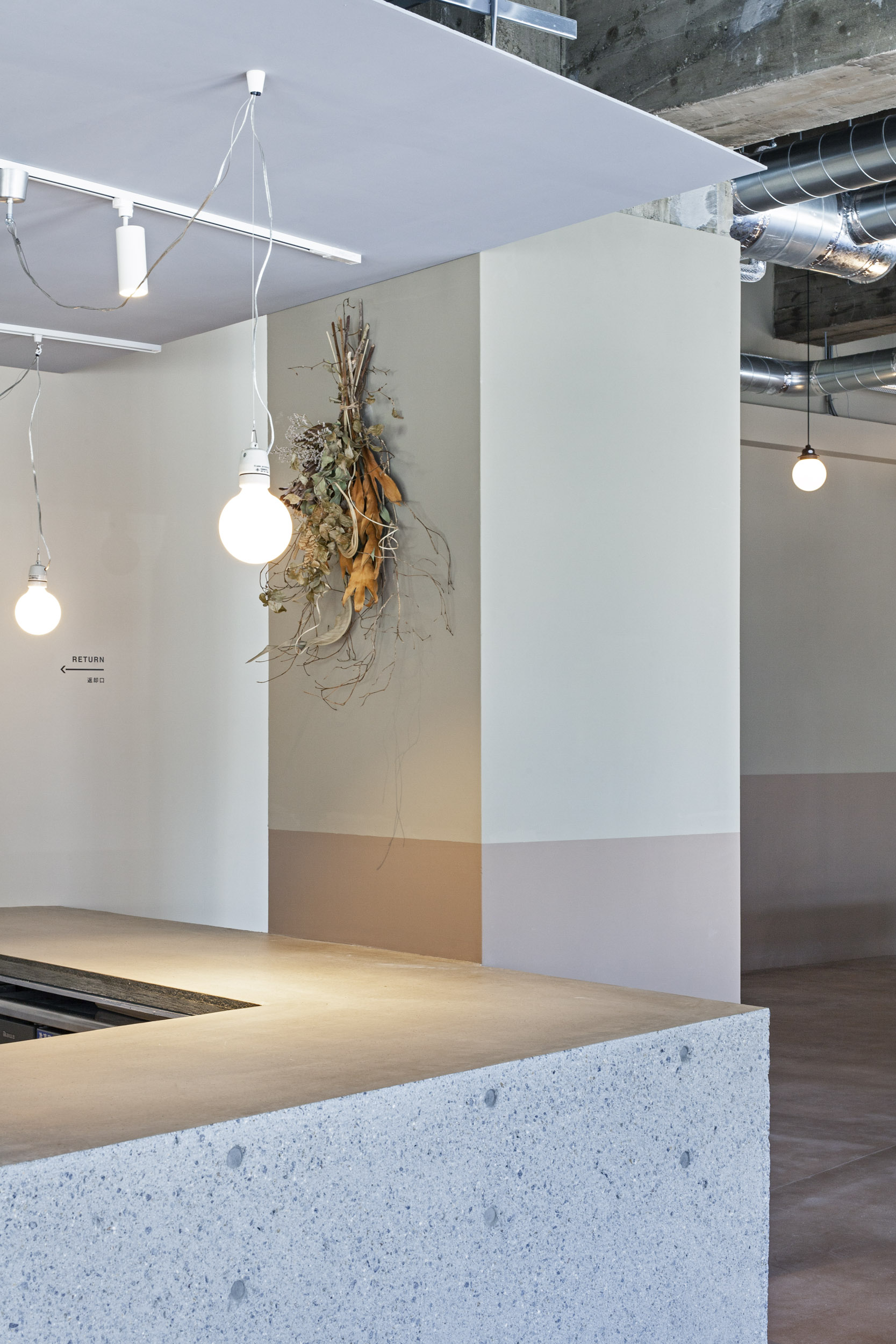
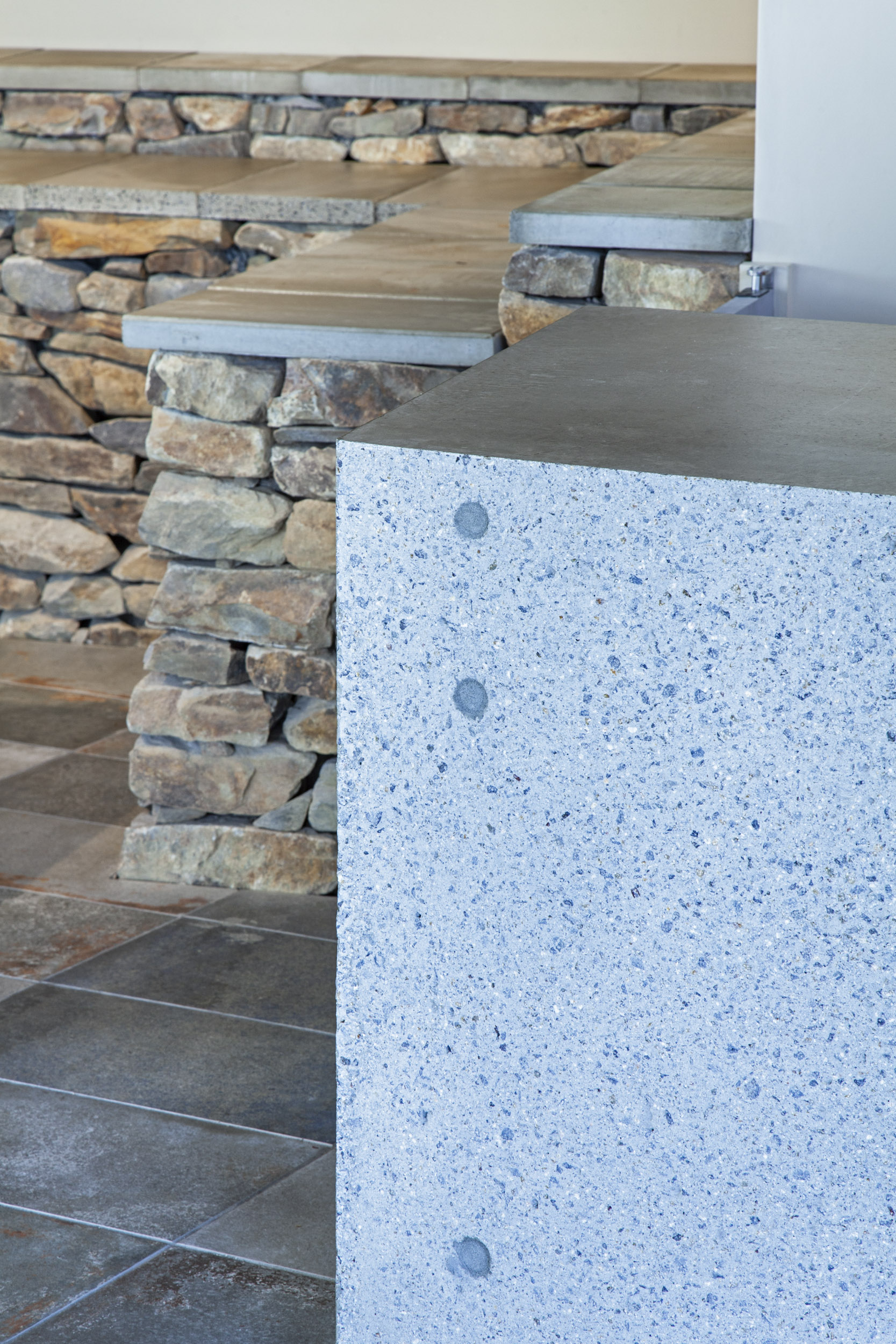
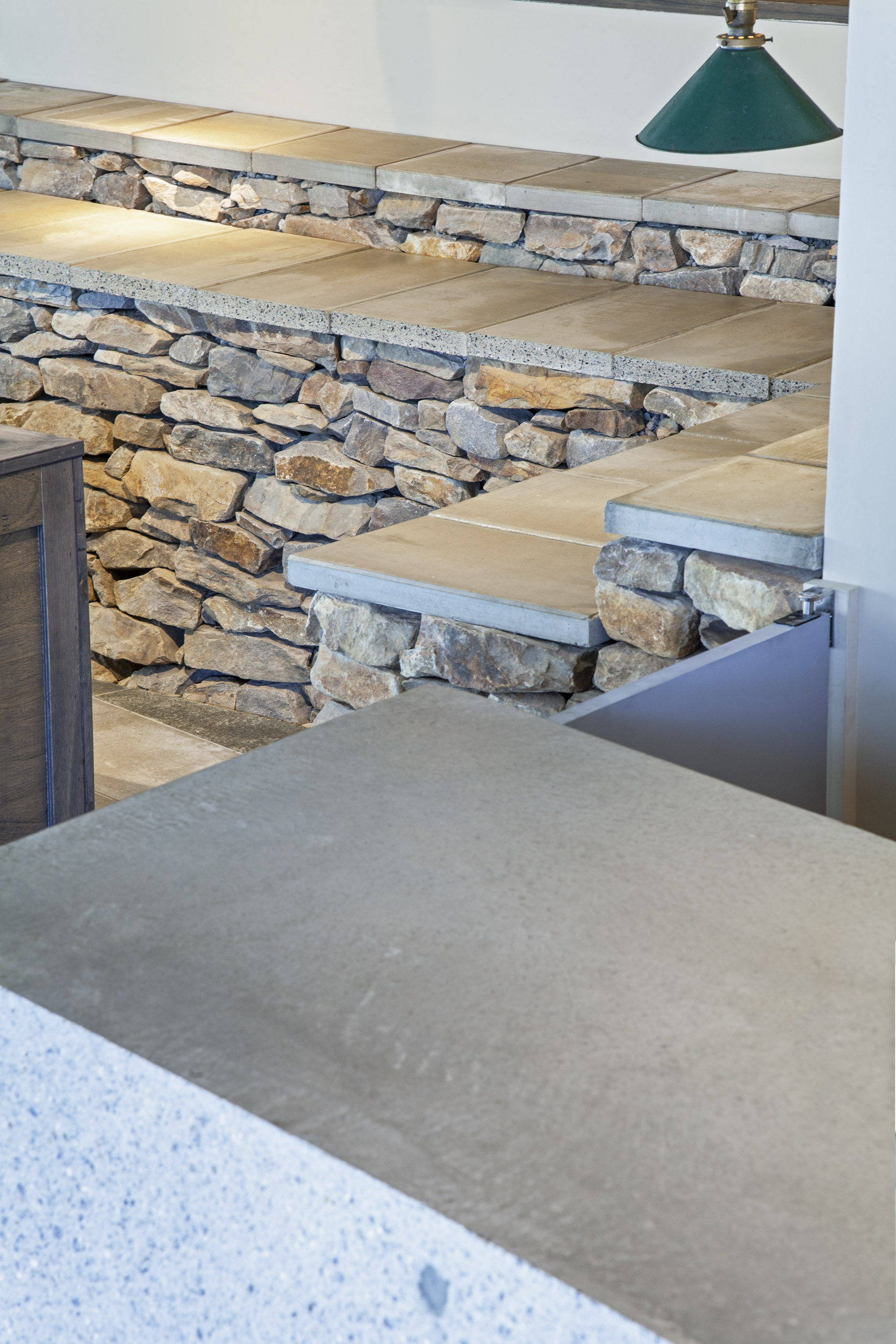
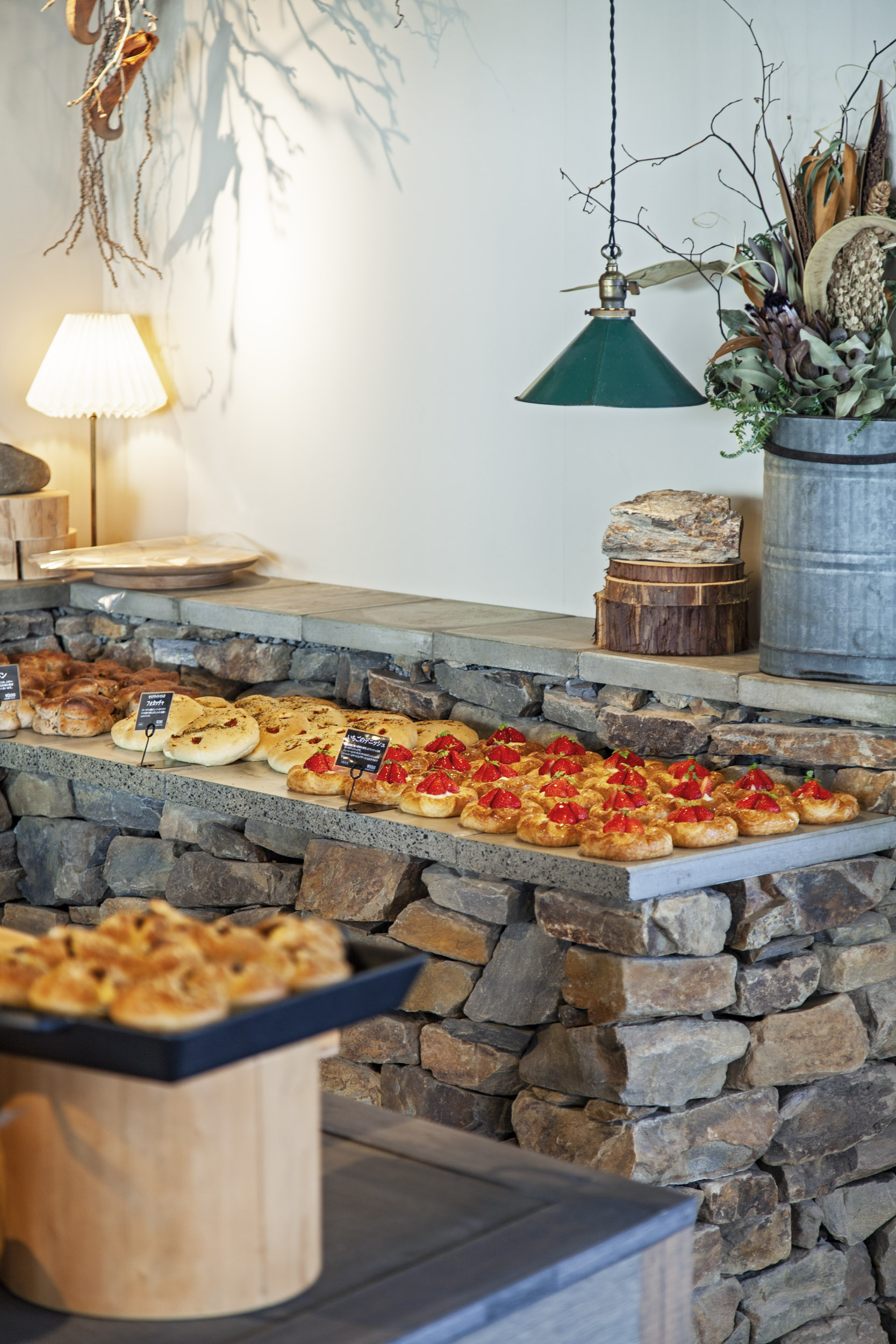
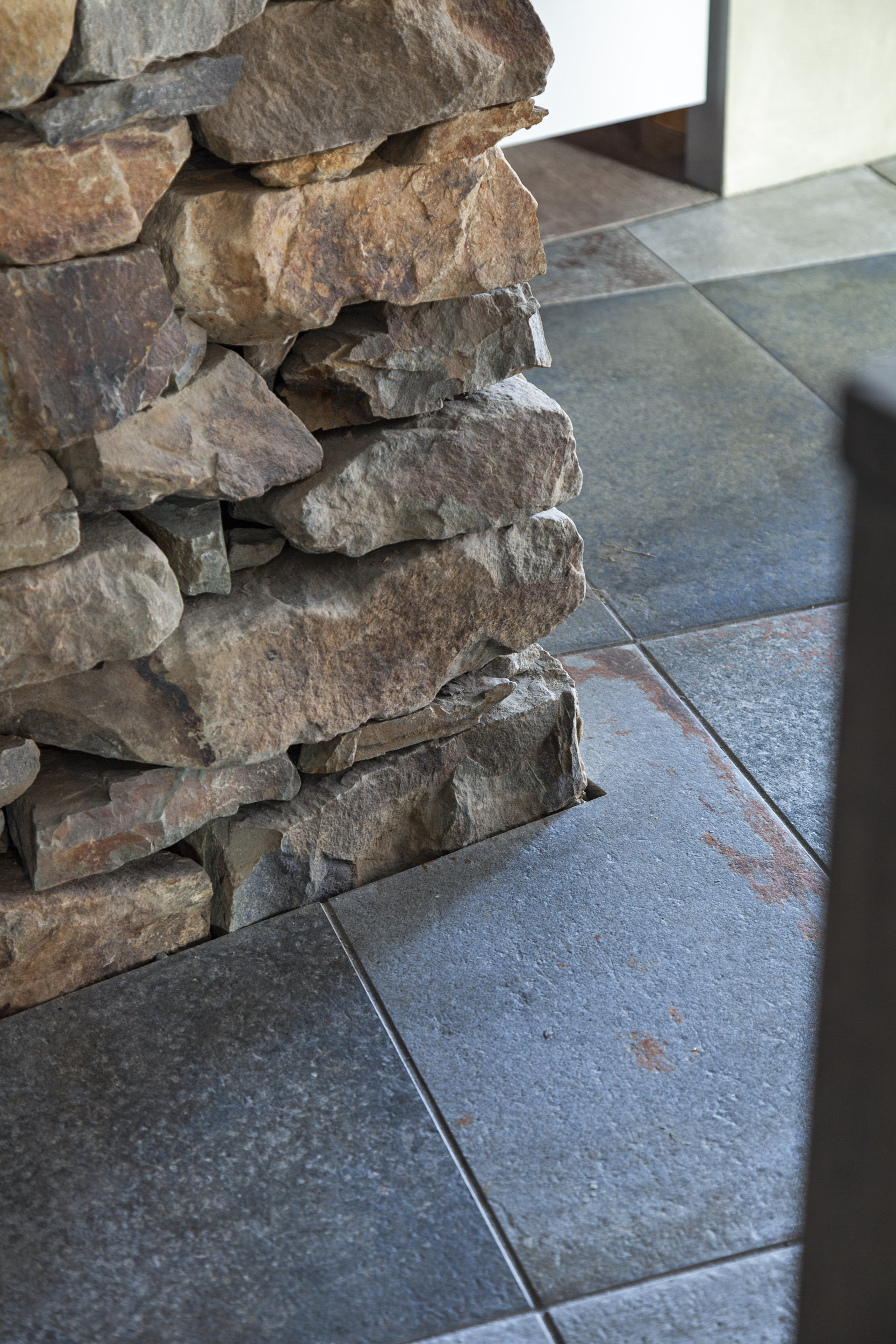
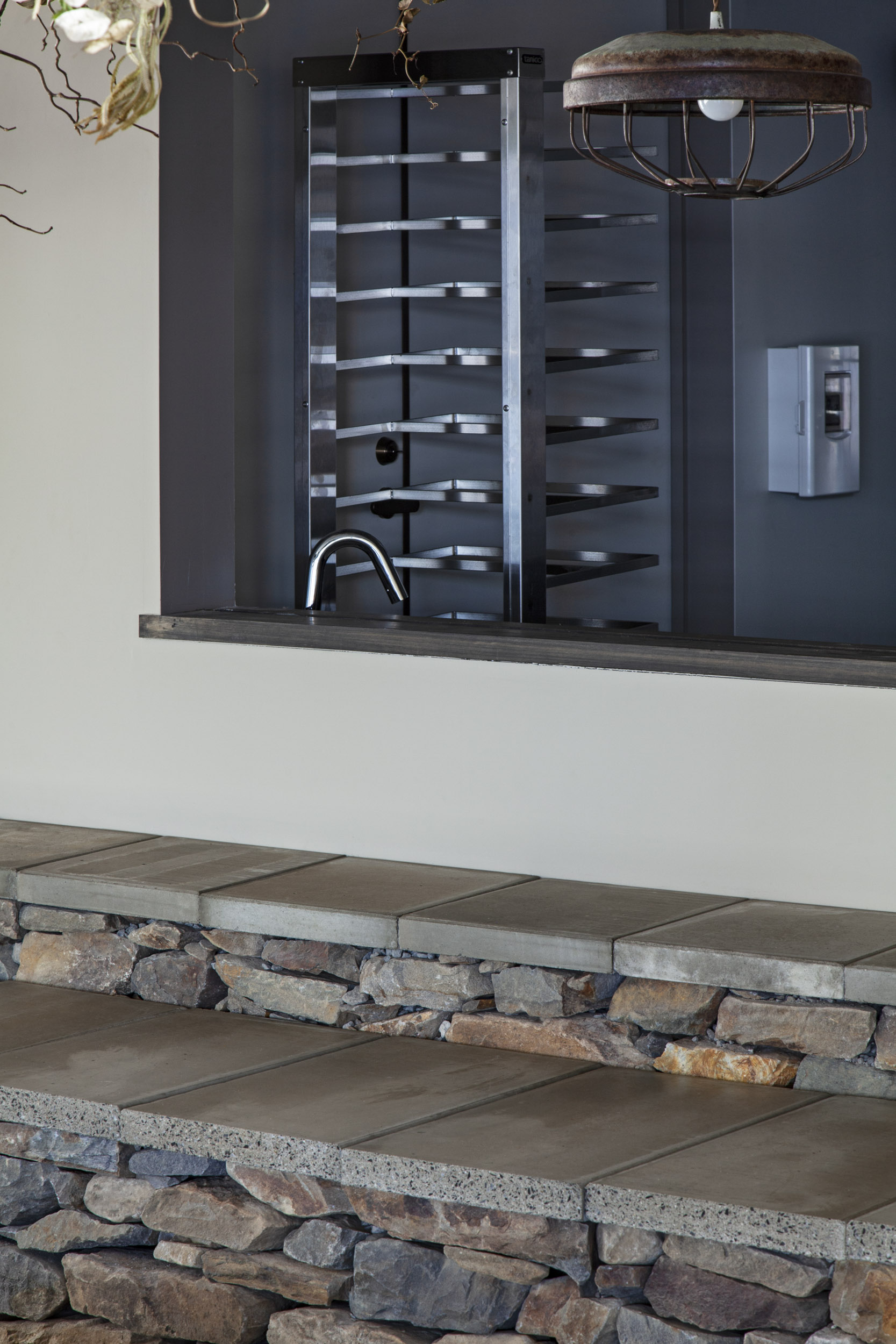
ベーカリー売り場のカウンターは、岡崎の中山間地域(万足平)でかつて猪垣として広く用いられていた片麻岩を野積みしている。約6tの片麻岩をベーカリーカフェのスタッフの方々と一緒に採石場から店舗に運び、野積みは保存会の方や近所の方と一緒に進めた。(※ちなみに、カフェカウンターの砕石も片麻岩を用いており、生コン会社まで約2tの砕石を手運びし、このカウンターのためにオリジナルで調合している。)
今回カウンターに用いた片麻岩は石積み用としては調達先が存在せず、天野裕さんが親戚筋などから調達先を開拓してくれたことで実現した。一度途切れた素材へのアプローチを復活させるには市場の原理に加えてそこに介在する”人のつながり”を紐解く必要がある。人のつながりの先に素材の再評価があり、その先にようやくこの土地固有の景観が形成されるのではないか。ささやかではあるが今回の挑戦が”人のつながり”を再考するきっかけになったのではないかと思う。
This is a design for a bakery café located within “NEKKO OKAZAKI,” a mixed-use facility we designed in Okazaki City, Aichi Prefecture.
Since we needed to draw people into the bakery section near the facility’s entrance while also guiding them toward the rental spaces and craft workshops located further inside, we decided to use two angles simultaneously for the café counter: one aligned with the angles used throughout the facility (which reference the axis of the old Tōkaidō Road incorporated into the greenway design) and another that is a horizontal mirror image of that angle.
The kitchen, which occupies about 60% of the store’s floor area, was designed so that the production process is visible from the sales floor, with the aim of filling the facility with a sense of the live, dynamic atmosphere of food preparation.
The counter in the bakery sales area features a dry-stacked arrangement of gneiss, a rock type once widely used as wild boar fences in the mountainous regions of Okazaki (Manzokudaira). We transported approximately 6 tons of gneiss from the quarry to the store together with the bakery café staff, and the dry-stacking was carried out with the help of members of the preservation society and local residents. (*Incidentally, the crushed stone used for the café counter is also gneiss; we hand-carried about 2 tons of crushed stone to the ready-mix concrete company and had it specially mixed for this counter.)
The gneiss used for this counter was not available from standard suppliers for masonry; this project was made possible thanks to Yutaka Amano, who sourced it through his relatives and other connections. To revive access to a material that had once been lost, it is necessary to unravel not only market principles but also the “human connections” that exist within them. Beyond these human connections lies a reevaluation of the material, and only then can the landscape unique to this land finally take shape. Though modest, I believe this challenge served as an opportunity to rethink the importance of “human connections.”
岡崎のパン屋(NONOJI)
- ディレクション
藤井 伸昌
- 設計
studio36
- 施工
五城建設株式会社
- 電気・空調換気設備
株式会社戸松電気工業所
- 給排水設備
石田設備株式会社
- 石積施工
天野さん、欧州建材、WS参加者
- グラフィックデザイン
design office Switch
- サイン施工
Adesign sign+graphic
- 写真
Asuto Noda